



Ready to hire cloud-native backend engineers in the US? Techlynx Recruiters connects you with top software developers and cloud engineers
Table of Contents
The Elite Guide to Hire Cloud-Native Backend Engineers for US Companies
Key Insights Box (TL;DR)
- Cloud-native engineering demands mastery of containers, orchestration, and distributed systems
- The best engineers treat infrastructure as code and embrace immutable deployments
- Technical screening must evaluate real-world incident response and system design
- Techlynx Recruiters specializes in software developers and cloud engineers who thrive in cloud-native environments
- US-based companies gain competitive advantage through elite cloud-native talent
Hire Cloud-Native Backend Engineers Who Build Systems That Never Sleep
Look: Traditional backend development is dead. The cloud-native revolution has transformed how we build, deploy, and scale software. If you want to hire cloud-native backend engineers, you need professionals who think in terms of containers, microservices, and resilient architectures.
The best part? The right engineers do not just write code. They design systems that self-heal, auto-scale, and evolve continuously. Here is what separates the exceptional from the average.
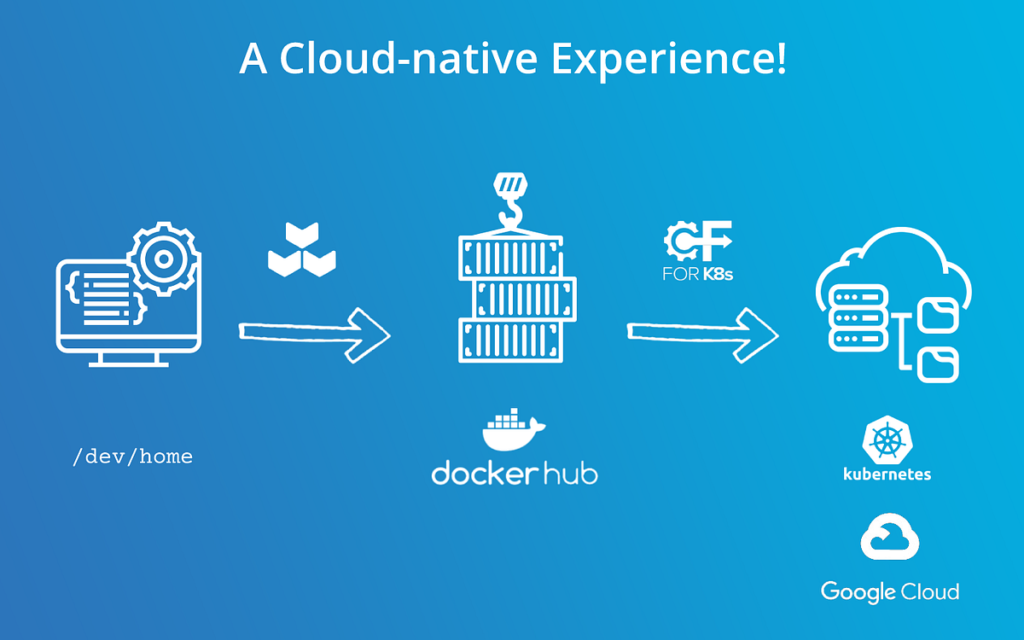
What Actually Makes an Engineer Cloud-Native
Let us define this clearly. A cloud-native backend engineer embraces twelve-factor application principles. They treat servers as cattle, not pets. They automate everything that can be automated.
Definition Box: A cloud-native backend engineer designs and maintains applications built specifically for cloud environments. They leverage containers, orchestration platforms, and declarative APIs to create systems that are resilient, scalable, and manageable across dynamic infrastructure.
Here is why these engineers matter: They reduce operational overhead dramatically. They enable faster feature delivery. They build systems that survive infrastructure failures without human intervention.
The Core Competencies You Must Evaluate
When you hire cloud-native backend engineers, your assessment must cover these essential domains:
Containerization Mastery
- Docker fundamentals and best practices
- Multi-stage builds for security and size
- Container networking and storage
- Security scanning and vulnerability management
Orchestration Expertise
- Kubernetes architecture and components
- Pod scheduling and auto-scaling
- Service discovery and load balancing
- ConfigMaps and Secrets management
Infrastructure as Code
- Terraform or similar IaC tools
- GitOps workflows with ArgoCD or Flux
- Immutable infrastructure patterns
- Environment parity across dev, staging, and production
Observability Implementation
- Distributed tracing with Jaeger or Zipkin
- Prometheus metrics and alerting
- Centralized logging with ELK or Loki
- Service Level Objectives and error budgets
Security Integration
- Zero-trust networking principles
- Secrets management with Vault
- Container image signing and verification
- Policy as code with OPA
The Hidden Problem Most Companies Ignore
Here is the contrarian insight: Most companies overemphasize tool knowledge and underestimate systems thinking. They ask candidates about Kubernetes commands but never probe how they handle cascading failures.
The truth? A monkey can memorize kubectl flags. But designing a system that survives a region-wide outage requires deep understanding of distributed consensus, backpressure, and circuit breakers.
When you hire cloud-native backend engineers, look for people who have experienced production incidents and emerged with wisdom. Ask about their worst outage. Listen for ownership, humility, and systematic prevention.
The Technical Screening Framework
Step One: Design Challenges
Present a system requirement and watch the candidate reason through tradeoffs. Do they consider failure modes? Do they discuss monitoring and alerting?
Step Two: Incident Response Simulation
Describe a production scenario: pods crashing, latency spiking, database connection failures. Evaluate their debugging methodology.
Step Three: Architecture Reviews
Hand them an existing cloud-native architecture and ask for improvements. Look for practical suggestions, not theoretical perfection.
Step Four: Operational Scenarios
Ask how they would deploy a critical update with zero downtime. Probe their understanding of rolling updates, canary releases, and blue-green deployments.
Cloud-Native vs Traditional: A Strategic Comparison
| Aspect | Traditional Backend | Cloud-Native Backend | Why Cloud-Native Wins |
|---|---|---|---|
| Deployment | Manual, scheduled | Automated, continuous | Faster time-to-market |
| Scaling | Vertical, hardware-based | Horizontal, policy-driven | Cost optimization |
| Resilience | Reactive recovery | Self-healing systems | Reduced downtime |
| Infrastructure | Static, pet servers | Dynamic, cattle approach | Lower operational burden |
| Observability | Basic logs | Metrics, traces, logs unified | Proactive problem detection |
The Critical Insight You Need Now
Earlier, we promised a revelation. Here it is: The most successful cloud-native engineers understand networking deeply. They know how service meshes work. They grasp DNS, load balancing, and network policies at a fundamental level.
Why does this matter? Because cloud-native systems fail at the network layer more often than anywhere else. DNS misconfigurations. Network policy blockers. TLS handshake failures. The engineers who master networking prevent these disasters.
This is why the best software developers and cloud engineers have strong networking foundations. They operate confidently at the intersection of application and infrastructure.
Why US Companies Need This Expertise
The US technology landscape demands speed, reliability, and innovation. Companies that hire cloud-native backend engineers gain significant advantages:
- Faster feature delivery through automated pipelines
- Reduced infrastructure costs through efficient scaling
- Improved uptime through resilient architectures
- Enhanced security through immutable infrastructure
- Better developer experience through self-service platforms
Your competitors are already building these capabilities. The question is: Are you?
The Techlynx Recruiters Advantage
Techlynx Recruiters does not just find candidates. We find engineers who have battle-tested cloud-native systems. Our rigorous screening process evaluates:
- Real-world Kubernetes production experience
- Hands-on Terraform and CI/CD pipeline design
- Incident response and root cause analysis skills
- Communication and team collaboration abilities
- Continuous learning and growth mindset
We help you hire cloud-native backend engineers who make immediate impact. Our candidates have managed multi-cluster deployments. They have designed resilient microservices architectures. They have scaled systems to handle millions of requests.
Frequently Asked Questions
What is the difference between a backend engineer and a cloud-native backend engineer?
Traditional backend engineers focus on business logic and APIs. Cloud-native engineers additionally master infrastructure, containers, orchestration, and distributed systems principles. They view the entire stack as their responsibility.
Why should I hire cloud-native engineers instead of training existing staff?
Training takes months of productive time. Cloud-native expertise requires practical experience with failure scenarios. Experienced engineers bring patterns and practices that prevent problems before they occur.
How do cloud engineers differ from cloud-native backend engineers?
Cloud engineers primarily focus on infrastructure provisioning and operations. Cloud-native backend engineers integrate application development with infrastructure concerns. They design systems that leverage cloud capabilities natively.
What specific cloud platforms should candidates know?
Strong candidates understand AWS, Azure, or GCP fundamentals. More importantly, they grasp abstract cloud-native principles that apply across platforms. They use cloud-agnostic tools like Kubernetes and Terraform.
How can I verify a candidate’s cloud-native skills during hiring?
Use practical coding exercises with real infrastructure scenarios. Include system design questions that reveal architectural thinking. Ask detailed questions about their previous incident handling.
The Competitive Edge You Are Missing
Cloud-native engineering is not just a technical choice. It is a business strategy. Companies that embrace cloud-native practices release features faster, recover from failures quicker, and scale more efficiently than their competitors.
The engineers who build these systems are rare. They combine deep technical knowledge with operational wisdom. They understand that reliability is a feature, not an afterthought.
When you hire cloud-native backend engineers, you are investing in your company’s future resilience and innovation capacity.
Final Thought
The cloud-native journey never ends. New tools emerge. Best practices evolve. But the fundamental principles remain: automation, resilience, and continuous improvement.
The best engineers embrace this change. They learn continuously. They share knowledge generously. They build systems that empower others.
Your hiring decisions shape your engineering culture. Choose engineers who elevate everyone around them. Choose cloud-native professionals who think beyond code to deliver business value.
Build Your Cloud-Native Engineering Team Today
Techlynx Recruiters connects US companies with pre-vetted cloud-native backend engineers who deliver immediate results. Our candidates have survived production outages, scaled distributed systems, and built resilient architectures from scratch.
Need to augment your engineering team?
Contact TechLynx today to get vetted developers.


