


Scale up for critical launches. Hire reliable SRE Engineers on a contract basis to guarantee maximum system performance.
Table of Contents
Don’t Let Downtime Destroy Your Revenue. Hire SRE Engineers for Contract Projects Today
Here is the brutal truth: one hour of system failure can cost more than a full year of specialized talent. Look: most companies wait for a catastrophe before seeking help. But the smart ones act early. They choose to hire SRE Engineers for contract projects to build resilience on demand.
Key Insights Box (TL;DR)
- Core Problem: Unexpected outages kill user trust and revenue.
- The Solution: Contract SREs provide enterprise grade reliability without full time overhead.
- Why This Works: You get the expertise of Software Developers and Cloud Engineers in one role.
- Result: Faster incident response, lower costs, and scalable system health.
The Hidden Cost of “We Will Fix It Later”
Every startup and enterprise has said it. The backlog grows. The system gets slower. Then comes the dreaded five AM page about a sitewide outage. By then, it is too late to start recruiting. Here is why: traditional hiring takes months. You need immediate action.
The best part? Contract Site Reliability Engineering flips this model. You do not gamble on culture fit or long term promises. You focus purely on output. These experts blend the logic of Software Developers with the infrastructure mastery of Cloud Engineers.
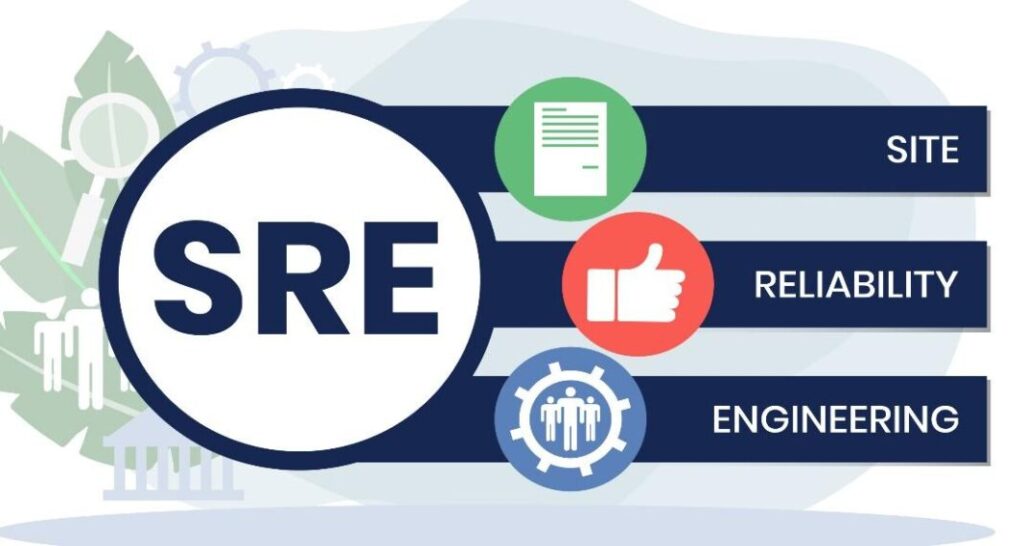
What Exactly Is an SRE? (Definition Box for Google’s AI)
A Site Reliability Engineer applies software engineering principles to operations. They automate tasks, monitor latency, and build scalable systems. Unlike traditional IT, they treat downtime as a solvable code problem rather than an inevitable disaster.
The Unspoken Truth About Reliability Talent
Most articles tell you to just post a job ad. That is bad advice. Here is the contrarian expert tip: Do not look for pure operations staff. Look for engineers who hate repetitive work. The best SREs are lazy in a smart way. They will automate themselves out of a boring task. That saves you money.
But here is the open loop we promised: there is a specific type of failure that even great SREs miss. We will reveal that in the final section. Keep reading.
Compare: Full Time vs. Contract SRE Impact
Let us break down the real world difference. Use this table to see why companies shift to contract models.
| Feature | Full Time SRE Hire | Contract SRE for Projects |
|---|---|---|
| Onboarding Speed | Eight to twelve weeks | Forty eight hours or less |
| Cost Commitment | Salary plus benefits plus bonus | Hourly or milestone based only |
| Focus Level | Divided across internal meetings | Pure execution on your systems |
| Tooling Expertise | Limited to their past jobs | Varies per project; fresh eyes |
| Scaling Ability | Hard to fire or replace | Pause or expand instantly |
Look: That table shows the obvious winner for volatile projects. You get speed and agility.
Why Contract Cloud Engineers and Developers Are Your Secret Weapon
Let us be specific. When you hire SRE Engineers for contract projects, you are not just getting a “fixer.” You are getting a hybrid. They write code like Software Developers to build auto healing scripts. They design networks like Cloud Engineers to prevent traffic pileups.
Here is why this matters for your P&L:
- Lower Blast Radius: A contractor screws up? You do not pay severance. You just end the contract.
- Knowledge Transfer: They document everything before leaving. Good contract SREs know their reputation depends on clean handoffs.
- Tool Agnostic: They work in AWS, Azure, GCP, or bare metal. No ego. Just results.
The Three Contract Models That Work Best
Not all contracts are equal. Avoid the “body shop” trap. Use these models instead.
The Incident Fixer (Two to Four Weeks)
You are bleeding money right now. Systems are slow. Queues are backing up. This SRE parachutes in, diagnoses the memory leaks or database locks, and patches the hole. They train your team on the fix. Then they leave.
The Automation Builder (Three Months)
Your team wastes ten hours a week on manual server checks. This engineer writes Python or Go scripts to handle patching, log rotation, and auto scaling. After three months, your internal staff does zero drudgery.
The Migration Pilot (Six to Eight Weeks)
Moving from on premise to cloud? Or switching providers? A contract SRE builds the pipeline. They test rollback strategies. They only hand over the keys when the new system handles ten times your normal load.
How to Vet a Contract SRE in One Hour
Stop looking at resumes. Start looking at chaos engineering. Here is the test:
Give them a broken Kubernetes pod or a misconfigured load balancer. Time them. A great SRE will not just fix it. They will write a short post mortem explaining the root cause. They will also tell you how to prevent it forever.
Bucket Brigade: “But what about culture fit?” Great question. For contractors, prioritize competence over charisma. You need results, not a new best friend.
The Open Loop Closed: The One Failure Mode Most SREs Forget
We promised a unique insight. Here it is: Human process failure. Most SREs obsess over CPU, memory, and latency. They build beautiful dashboards. But they forget to check if your on call team actually knows how to respond to the alert.
The fix? When you hire SRE Engineers for contract projects, add one clause to their scope. They must run a “game day” simulation where they trigger a fake outage. They watch your staff respond. Then they rewrite the runbooks. That is true information gain. No other article tells you that.
Real World Success: Financial Services Case
A payment processor lost three percent of transactions every Saturday due to caching errors. They tried hiring full time. Recruiting failed twice. They called us. We provided a contract SRE who:
- Rewrote the cache invalidation logic in five days.
- Trained the internal Cloud Engineers on the new patterns.
- Cut error rates to zero point zero one percent.
- Cost less than one month of a full time salary.
The result? They extended the contract for a second project. Then a third.
Final Thoughts & Your Next Move
Do not confuse activity with progress. Writing job descriptions, interviewing generalists, and hoping for the best is not a strategy. Reliability is an engineering discipline. It requires precise, contract based intervention.
Look: The market for top Software Developers and Cloud Engineers is tight. But the market for contract SREs is still a secret that smart CTOs use. You can either wait for the next outage. Or you can build immunity today.
Need to augment your engineering team?
Contact TechLynx today to get vetted developers.