



Explore the most in-demand cloud computing careers. Discover why companies urgently need Software Developers and Cloud Engineers.
Table of Contents
The Cloud Gold Rush: Top Careers That Companies Are Fighting For
Cloud computing has transformed how businesses operate. Companies are racing to migrate, optimize, and innovate in the cloud. This massive shift has created unprecedented demand for specialized professionals who can architect, build, and manage cloud infrastructure.
Here is the truth: the cloud talent shortage is real and growing. Companies across every industry are competing for the same limited pool of skilled professionals. Understanding which careers are most in demand gives you a strategic advantage, whether you are hiring or planning your career path.
Look: the cloud is not going anywhere. It is the foundation of modern business. The professionals who master cloud technologies will define the next decade of innovation. This guide reveals the most sought-after cloud computing careers and why companies are desperate to fill these roles.
In this article, we will explore the top cloud careers in demand today. From architecture to engineering, we cover every critical role. You will learn what makes these positions valuable and how to find the right talent.
The Cloud Talent Crisis
The demand for cloud professionals far exceeds supply. Every company is becoming a technology company, and they all need cloud expertise.
Here is why: cloud adoption is accelerating. Companies that delay migration fall behind competitors. This urgency drives intense competition for skilled workers.
The Numbers Tell the Story
Cloud computing is the fastest-growing segment of IT. Organizations are investing heavily in cloud infrastructure and services. This investment creates massive demand for professionals who can deliver results.When hiring cloud professionals, move quickly. Top candidates receive multiple offers. A slow decision means losing them to competitors.
The Most In-Demand Cloud Roles
Let us examine the specific cloud computing careers that companies are hiring most aggressively.
Definition Box :Cloud computing careers encompass professional roles focused on designing, implementing, and managing cloud-based infrastructure and services, including architecture, engineering, security, and operations.
Cloud Architects
Cloud Architects design the overall cloud strategy. They create blueprints for infrastructure, ensure scalability, and align cloud solutions with business goals.
Cloud Engineers
Cloud Engineers build and maintain cloud infrastructure. They implement the designs created by architects. They handle deployment, monitoring, and optimization.
Cloud Security Specialists
Security is the top concern for cloud adoption. Cloud Security Specialists protect data and infrastructure. They implement identity management, encryption, and compliance controls.
Cloud DevOps Engineers
DevOps Engineers bridge development and operations. They automate deployment pipelines. They ensure continuous integration and delivery.
The Role of Software Developers in Cloud
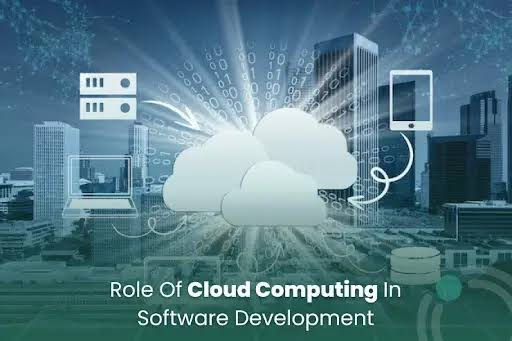
Software Developers are essential to cloud success. They build applications that leverage cloud services.
Cloud-Native Development
Developers now build applications specifically for the cloud. They use microservices, containers, and serverless architectures.
API Integration
Cloud applications rely on APIs. Developers must understand how to integrate with various cloud services.
Performance Optimization
Cloud Developers optimize applications for cost and speed. They understand how to use cloud resources efficiently.
The Role of Cloud Engineers in Detail
Cloud Engineers are the backbone of cloud operations. Their responsibilities are broad and critical.
Infrastructure Management
Cloud Engineers provision and manage virtual machines, storage, and networking. They ensure resources are available and performant.
Automation Expertise
They automate repetitive tasks using Infrastructure as Code. Tools like Terraform and Ansible are essential.
Monitoring and Troubleshooting
Cloud Engineers monitor system health. They respond to incidents and resolve issues quickly.
The Comparison: Traditional IT vs. Cloud Careers
| Aspect | Traditional IT | Cloud Computing Careers |
|---|---|---|
| Infrastructure | On-premise hardware. | Virtual and scalable resources. |
| Deployment | Manual and slow. | Automated and rapid. |
| Scaling | Limited by physical capacity. | Elastic and on-demand. |
| Cost Model | High capital expenditure. | Operational pay-as-you-go. |
| Skill Requirements | Hardware and networking. | Automation and coding. |
Why Companies Are Hiring Aggressively
The urgency in cloud hiring is driven by strategic imperatives.

Digital Transformation
Every company is digitizing its operations. Cloud is the foundation of this transformation. Without cloud talent, transformation stalls.
Competitive Pressure
Companies that adopt cloud faster gain competitive advantages. They launch products quicker and respond to market changes faster.
Cost Efficiency
Cloud reduces infrastructure costs. However, poor cloud management increases costs. Skilled professionals optimize spending.
Innovation Enablement
Cloud enables new capabilities like AI, machine learning, and big data analytics. Talent is needed to implement these innovations.
The Skills That Matter Most
Employers prioritize specific skills when hiring cloud professionals.
Multi-Cloud Expertise
Companies use multiple cloud providers. Professionals who understand AWS, Azure, and GCP are highly valuable.
Automation and Scripting
Coding skills are essential for cloud roles. Python, Bash, and PowerShell are common requirements.
Security Knowledge
Security is non-negotiable. Professionals must understand encryption, identity management, and compliance.
Containerization
Docker and Kubernetes are industry standards. Experience with containers is highly sought after.
The Remote Work Factor
Cloud careers are perfectly suited for remote work. This expands the talent pool but also increases competition.

Global Talent Access
Companies can hire from anywhere. This gives them access to broader talent pools.
Increased Competition
Remote work means competing with companies worldwide. Your offer must be competitive globally.
Cultural Considerations
Remote teams require strong communication and collaboration. Soft skills are increasingly important.
The Future of Cloud Careers
Cloud computing continues to evolve. New roles emerge as technology advances.
AI and Machine Learning Specialists
Cloud platforms offer AI services. Specialists who implement these solutions are in growing demand.
Edge Computing Professionals
Edge computing extends cloud to the network edge. New roles will emerge in this space.
Sustainability Experts
Companies focus on green cloud initiatives. Professionals who optimize for energy efficiency will be valued.
The Hiring Strategy for Cloud Talent
Attracting cloud professionals requires a strategic approach.
Competitive Compensation
Cloud roles command premium salaries. Research market rates and offer competitive packages.
Professional Development
Cloud professionals value learning. Offer training budgets and certification support.
Challenging Projects
Top talent wants meaningful work. Present opportunities to solve complex problems.
Flexible Work Arrangements
Remote and hybrid work options are expected. Offer flexibility to attract the best.
The Open Loop Revealed
We mentioned an early insight about cloud careers. Here it is: the most overlooked cloud role is the Cloud Financial Operations specialist.
Cloud costs can spiral out of control. Professionals who optimize spending are critical. Yet many companies neglect this role until they receive massive bills.
The Expert Trick:Include FinOps expertise in your cloud team. These professionals ensure cost efficiency. They save companies significant amounts of money.
The Importance of Continuous Learning
Cloud technology evolves rapidly. Professionals must commit to continuous learning.
Certification Value
Certifications validate expertise. They are valuable for both professionals and employers.
Community Engagement
Participation in cloud communities provides learning opportunities. It also helps with networking.
Hands-On Practice
Theory is insufficient. Practical experience is essential. Encourage hands-on exploration.
FAQs
What are the most in-demand cloud computing careers?
Cloud Architects, Cloud Engineers, Cloud Security Specialists, and Cloud DevOps Engineers are the most sought-after roles.
Why are companies hiring cloud professionals aggressively?
Companies need cloud talent for digital transformation, competitive advantage, cost efficiency, and innovation enablement.
What skills are most important for cloud careers?
Multi-cloud expertise, automation, security knowledge, and containerization experience are highly valued.
How does remote work affect cloud hiring?
Remote work expands the talent pool but increases competition. Companies must offer competitive packages globally.
What is the role of Software Developers in cloud computing?
Developers build cloud-native applications, integrate APIs, and optimize performance for cloud environments.
How can I attract top cloud talent?
Offer competitive compensation, professional development opportunities, challenging projects, and flexible work arrangements.
Final Thoughts
Cloud computing careers are the most dynamic and in-demand roles in technology today. Companies across every industry are competing for skilled professionals who can architect, build, and manage cloud infrastructure.
We have explored the most sought-after cloud roles. We have discussed the skills that matter most and the strategies for hiring top talent. We have shared expert insights and practical advice.
Now, it is time to take action. Whether you are hiring or planning your career, the cloud offers extraordinary opportunities.
Ready to hire top cloud talent?
Do not let the talent shortage slow your cloud journey. Techlynx Recruiters LLC specializes in connecting companies with top Software Developers and Cloud Engineers. Call us at +1(572) 234-1869 to discuss your hiring needs. Build the cloud team that drives your future.