


How CI/CD Engineers Help Companies Release Software Faster

Accelerate your software delivery with CI/CD engineers. Find top Software Developers and Cloud Engineers who drive rapid releases.
Table of Contents
Speed to Market: Why CI/CD Engineers Are Your Competitive Advantage
Releasing software faster is no longer a luxury. It is a necessity. Companies that deploy quickly gain market share, respond to customer feedback, and outpace competitors. CI/CD engineers are the specialists who make this speed possible through automation and continuous delivery.
Here is the truth: slow release cycles kill innovation. When you deploy monthly or quarterly, you fall behind. CI/CD engineers transform your delivery pipeline, enabling daily or even hourly releases without sacrificing quality.
Look: every modern company is a software company. Your ability to ship features quickly determines your success. CI/CD engineers build the pipelines that automate testing, integration, and deployment, making rapid releases sustainable.
In this guide, we will explore how CI/CD engineers accelerate software delivery. We will reveal the technical practices that enable speed and the business benefits of faster releases.
The CI/CD Revolution
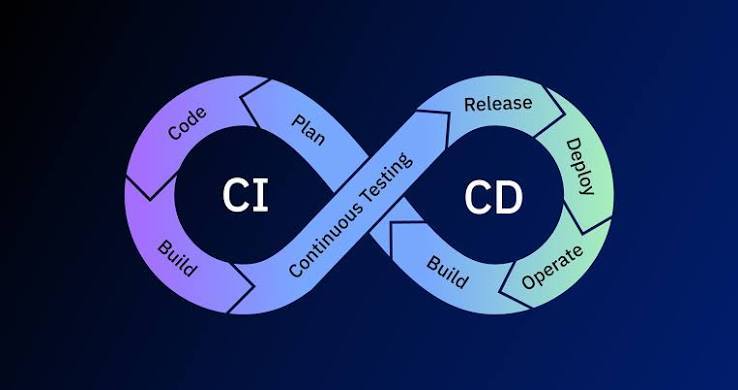
Continuous Integration and Continuous Delivery have transformed software development. They replace manual, error-prone processes with automated, reliable pipelines.
Here is why: traditional release processes are slow and risky. They involve manual testing, coordination, and deployment. CI/CD automates these steps, reducing errors and accelerating delivery.
The Speed Imperative
Customers expect rapid innovation. They want new features and bug fixes immediately. CI/CD engineers enable this speed.
Understanding the CI/CD Engineer Role
CI/CD engineers specialize in building and maintaining automated delivery pipelines.
Definition Box: CI/CD engineers are specialized professionals who design, implement, and maintain automated software delivery pipelines, enabling organizations to release code faster, more reliably, and with fewer manual interventions.
Technical Foundation
They understand version control, build tools, testing frameworks, and deployment automation.
Pipeline Architecture
They design pipelines that integrate code, run tests, and deploy to production automatically.
Monitoring and Feedback
They set up monitoring to track pipeline performance and provide rapid feedback to developers.
The Business Case for CI/CD
Faster releases deliver tangible business benefits.
Competitive Advantage
Companies that release faster respond to market changes quickly. They capture opportunities before competitors.
Customer Satisfaction
Rapid releases mean faster bug fixes and feature delivery. Customers appreciate quick responses to their needs.
Developer Productivity
Automation reduces manual work. Developers spend less time on release processes and more time building features.
The Comparison: Traditional vs. CI/CD Release
| Aspect | Traditional Release | CI/CD Release |
|---|---|---|
| Release Frequency | Monthly or quarterly. | Daily or hourly. |
| Manual Steps | Many; error-prone. | Few; automated. |
| Testing Approach | Late in the cycle. | Continuous; every change tested. |
| Risk Level | High; big bang releases. | Low; small, incremental changes. |
| Developer Experience | Frustrating; slow feedback. | Empowering; fast feedback. |
The Technical Practices of CI/CD
CI/CD engineers implement specific technical practices to enable speed.
Continuous Integration
Developers merge code frequently. Automated builds and tests run on every merge. This catches issues early.
Automated Testing
Unit tests, integration tests, and end-to-end tests run automatically. This ensures quality without manual effort.
Continuous Delivery
Code is automatically deployed to staging environments. It is ready for production at any time.
Continuous Deployment
Code is automatically deployed to production after passing tests. This is the ultimate speed.
The Role of Cloud Engineers
Cloud Engineers work closely with CI/CD engineers. They provide the infrastructure for pipelines.
Infrastructure as Code
They provision environments using code. This enables consistent, repeatable deployments.
Scalability Support
They ensure infrastructure scales with deployment frequency. They handle increased load.
Security Integration
They embed security into the pipeline. They implement secret management and compliance checks.
The Software Developer Connection
Software Developers benefit significantly from CI/CD practices.

Faster Feedback
Developers know immediately if their changes break anything. They fix issues quickly.
Reduced Stress
Automated deployments reduce release anxiety. Developers deploy with confidence.
More Innovation
With less time spent on releases, developers focus on building new features.
The Open Loop Revealed
We mentioned an early insight about CI/CD engineers. Here it is: the most overlooked aspect of CI/CD is the cultural transformation it requires.
CI/CD is not just about tools. It is about mindset. Teams must embrace shared responsibility, continuous improvement, and blameless post-mortems.
The Expert Trick: When hiring CI/CD engineers, assess their ability to drive cultural change. Technical skills are important, but influencing skills are equally critical.
The CI/CD Maturity Model
Organizations progress through stages of CI/CD maturity.
Initial Stage
Manual deployments. Minimal automation. High risk and slow speed.
Intermediate Stage
Some automation. Basic CI pipeline. Faster but still manual steps.
Advanced Stage
Full CI/CD pipeline. Automated testing and deployment. Daily releases.
Elite Stage
Continuous deployment. Feature flags. Canary releases. Rollback automation.
The Security Integration
Security must be integrated into CI/CD pipelines. This is called DevSecOps.
Automated Security Scanning
Scan code and dependencies for vulnerabilities. Fail builds if issues are found.
Secret Management
Manage credentials securely. Never hard-code secrets.
Compliance Checks
Automate compliance verification. Ensure regulatory requirements are met.
The Monitoring and Observability
CI/CD engineers implement monitoring for pipeline performance.
Pipeline Metrics
Track build times, test pass rates, and deployment success rates.
Alerting
Set up alerts for pipeline failures. Respond quickly to issues.
Continuous Improvement
Use metrics to identify bottlenecks. Continuously optimize the pipeline.
The Cost of Slow Releases
Slow releases have significant costs.
Lost Revenue
Features delayed are revenue delayed. Competitors capture market share.
Customer Churn
Slow bug fixes frustrate customers. They switch to faster competitors.
Developer Frustration
Slow processes demoralize developers. They leave for companies with better practices.
The Future of CI/CD
The CI/CD landscape continues to evolve.
AI in CI/CD
AI is being used to optimize pipelines. It identifies bottlenecks and suggests improvements.
GitOps
GitOps uses Git as the source of truth. Infrastructure changes are managed through Git.
Platform Engineering
Internal developer platforms are emerging. They provide self-service CI/CD capabilities.
FAQs
What do CI/CD engineers do?
CI/CD engineers design and maintain automated software delivery pipelines. They enable faster, more reliable releases through automation.
How do CI/CD engineers help companies release faster?
They automate testing, integration, and deployment processes. This reduces manual work and accelerates delivery cycles.
What skills should I look for in CI/CD engineers?
Look for experience with CI/CD tools like Jenkins and GitLab CI, automation skills, cloud platform knowledge, and a mindset for continuous improvement.
How do Cloud Engineers support CI/CD?
Cloud Engineers provide infrastructure, enable scalability, and integrate security into CI/CD pipelines.
What is the difference between continuous delivery and continuous deployment?
Continuous delivery means code is always ready for production but deployed manually. Continuous deployment means code is automatically deployed to production.
How can I start implementing CI/CD?
Begin with continuous integration. Automate builds and tests. Gradually expand to delivery and deployment automation.
Final Thoughts
CI/CD engineers are essential for modern software development. They enable the speed that companies need to compete. Their automation expertise transforms release processes from slow and risky to fast and reliable.
We have explored the role of CI/CD engineers. We have discussed the technical practices, business benefits, and cultural transformation required. We have shared expert strategies for building effective pipelines.
Now, it is time to take action. Invest in CI/CD engineering talent. Accelerate your software delivery.
Ready to accelerate your software delivery?
Do not let slow releases hold your business back. Techlynx Recruiters LLC specializes in connecting companies with exceptional CI/CD engineers, Software Developers, and Cloud Engineers. Call us at +1(572) 234-1869 to discuss your hiring needs. Build the delivery pipeline that drives your success.