



Master remote teams hiring with proven strategies. Find Software Developers and Cloud Engineers who excel in distributed teams. Start today.
Table of Contents
The Remote Revolution: How to Find Engineers Who Actually Excel from Home
Remote work is here to stay. But hiring engineers who thrive in this environment requires a completely different approach. You need people who are self-motivated, excellent communicators, and technically brilliant without constant supervision.
Here is the truth: not every great engineer is a great remote engineer. The skills that work in an office do not always translate to distributed teams. You must evaluate for autonomy, communication, and digital collaboration abilities.
Look: remote hiring mistakes are expensive. The wrong hire struggles with isolation, misses deadlines, and frustrates the team. This guide will show you exactly how to identify candidates who flourish in remote settings.
In this article, we will cover every aspect of remote hiring. From evaluating soft skills to technical assessments, we provide a complete framework. You will learn why partnering with specialists like Techlynx Recruiters LLC gives you an edge.
The Remote vs. Office Engineer Difference
Remote engineering requires a specific mindset. Office engineers often rely on quick hallway conversations. Remote engineers must document everything and communicate clearly.
Here is why: in an office, you can see when someone is stuck. In a remote setting, you might not know for hours. Remote engineers must proactively seek help and share updates.
The Autonomy Factor
Remote engineers work without direct oversight. They manage their own time and prioritize tasks independently. This requires discipline and self-motivation.
The best part? When you hire the right people, remote teams outperform office teams. They have fewer distractions and more flexibility.
The Essential Remote Engineer Checklist
This checklist helps you identify candidates who thrive remotely.
Definition Box (Snippet Bait):
A remote engineer is a software professional who works outside a traditional office environment, relying on digital communication tools, self-discipline, and asynchronous collaboration to deliver high-quality code and infrastructure solutions.

Communication Skills
Remote work depends on clear communication. Candidates must write well and speak clearly.
Written Communication
Evaluate their writing during the application process. Are their emails clear? Do they document their work? Strong written skills are non-negotiable.
Verbal Communication
Assess their ability to explain complex concepts. Can they articulate technical ideas clearly in video calls?
Self-Management Ability
Remote engineers must manage themselves effectively.
Time Management
Ask about their daily routines. How do they structure their workday? Do they use productivity techniques?
Proactive Problem-Solving
Do they ask questions or wait for answers? Great remote engineers seek solutions independently.
The Technical Assessment for Remote Roles
Technical skills matter, but remote technical assessments need adjustments.
Live Coding in Distributed Environments
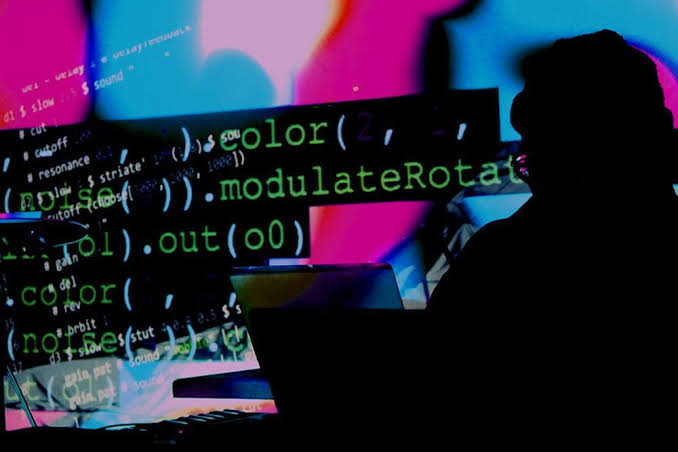
Conduct coding interviews using shared editors. Observe how candidates collaborate remotely.
- Expert Tip: Use pair programming sessions. This reveals communication and collaboration skills in real time.
Asynchronous Work Samples
Give candidates a take-home project. Evaluate their documentation and code quality. This simulates remote work conditions.
The Comparison: Remote vs. Office Hiring
| Aspect | Office Hiring (Before) | Remote Hiring (After) |
|---|---|---|
| Communication Focus | In-person interactions. | Written and video communication. |
| Collaboration Style | Spontaneous hallway conversations. | Scheduled meetings and documentation. |
| Supervision Approach | Visible presence. | Trust and outcome-based management. |
| Time Zone Consideration | Irrelevant. | Critical for team coordination. |
| Cultural Assessment | Office culture fit. | Work style and value alignment. |
The Tools of Remote Collaboration
Remote engineers must master specific tools. These enable effective distributed work.
Communication Platforms
Familiarity with Slack, Microsoft Teams, or similar tools is essential. Candidates should understand channel etiquette and asynchronous communication.
Project Management Tools
Experience with Jira, Trello, or Asana shows organizational skills. Ask candidates about their workflow management.
Version Control Collaboration
Git expertise is critical. Remote teams rely heavily on branching and pull request workflows.
The Cultural Challenges of Remote Teams
Remote work presents unique cultural challenges. Great remote engineers navigate these effectively.

Building Trust Without Visibility
Trust is harder to build remotely. Candidates should demonstrate reliability through consistent performance.
Combating Isolation
Remote work can feel lonely. Look for candidates who maintain social connections and participate in team activities.
Embracing Diversity
Remote teams often span cultures and time zones. Candidates should show respect and adaptability.
The Role of Cloud Engineers in Remote Settings
Cloud Engineers are particularly suited for remote work. Their work is infrastructure-based and often asynchronous.
Infrastructure as Code
Cloud Engineers use code to manage infrastructure. This aligns perfectly with remote development practices.
Automation Skills
Automation reduces the need for hands-on intervention. Remote Cloud Engineers excel at creating self-healing systems.
Security Monitoring
Remote Cloud Engineers must implement robust security monitoring. They cannot physically check servers.
The Software Developer Perspective
Software Developers in remote teams need specific strengths.
Code Documentation
Remote developers document their code thoroughly. This enables asynchronous code review.
Testing Discipline
Strong testing practices are essential. Remote teams cannot rely on manual verification.
Code Review Participation
Active participation in code reviews builds team knowledge. Remote developers should be engaged reviewers.
The Open Loop Revealed
We mentioned an early insight about remote hiring. Here it is: the most overlooked remote skill is over-communication.
In remote settings, you cannot communicate too much. Great remote engineers share updates frequently. They document decisions. They ask clarifying questions.
The Expert Trick:
During interviews, ask candidates about their communication habits. Listen for examples of over-communication. This trait is more valuable than technical brilliance in remote settings.
The Onboarding Advantage
Once you hire remote engineers, onboard them effectively.
Structured Onboarding
Create a comprehensive onboarding plan. Include documentation, tool access, and team introductions.
Buddy System
Assign a remote buddy to every new hire. This provides a go-to person for questions.
Regular Check-Ins
Schedule weekly video calls. Discuss progress and address concerns early.
The Retention Strategy
Retaining remote engineers requires intentional effort.
Career Development
Provide growth opportunities. Offer training and mentorship programs.
Recognition
Celebrate achievements publicly. Remote employees need acknowledgment.
Connection
Foster team connection through virtual social events. Build relationships beyond work.
The Financial Case for Remote Hiring
Remote hiring offers significant financial benefits.
Access to Global Talent
You are not limited by geography. Find the best talent anywhere.
Lower Overhead
Remote teams reduce office space costs. This is a significant saving.
Higher Retention
Remote employees often stay longer. They appreciate the flexibility.
FAQs
How do I hire engineers who thrive in remote teams?
Evaluate communication skills, self-management ability, and tool proficiency. Conduct remote-specific assessments and involve your team.
What makes a great remote Software Developer?
Great remote developers communicate clearly, manage their time effectively, and participate actively in code reviews and team discussions.
How do Cloud Engineers succeed remotely?
Cloud Engineers succeed remotely through strong automation skills, Infrastructure as Code expertise, and proactive security monitoring.
What tools do remote engineers need to know?
Remote engineers should be familiar with Slack, Zoom, Jira, Git, and collaboration platforms like Miro or Figma.
How can I assess remote communication skills?
Review their written applications and conduct video interviews. Observe their clarity and responsiveness.
Why is over-communication important in remote teams?
Over-communication prevents misunderstandings and keeps everyone aligned. It is essential for distributed collaboration.
Final Thoughts
Hiring engineers who thrive in remote teams requires a different mindset. You must evaluate for communication, self-management, and digital collaboration. Technical skills are necessary but not sufficient.
We have explored the essential checklist, the right assessment methods, and the cultural considerations. We have shared expert tips and practical strategies. Now, it is time to take action.
Remote work is the future. Embrace it with the right hiring practices. Partner with experts who understand the nuances.
Ready to build a winning remote team?
Build a remote team that outperforms the competition. Techlynx Recruiters LLC specializes in connecting businesses with top Software Developers and Cloud Engineers. Call us at +1(572) 234-1869 to discuss your remote hiring needs. Let us build your distributed dream team.